

Beyond the Boardroom: The Rise of the 'Activist Leader' in Global Business
For decades, the unofficial handbook for the C-Suite had one golden rule: silence is safe. The prevailing wisdom, popularized by economists like Milton Friedman, was that the business of business is business. A CEO’s job was to maximize shareholder value, keep their head down, and stay far away from the messy, polarized world of social and political issues.
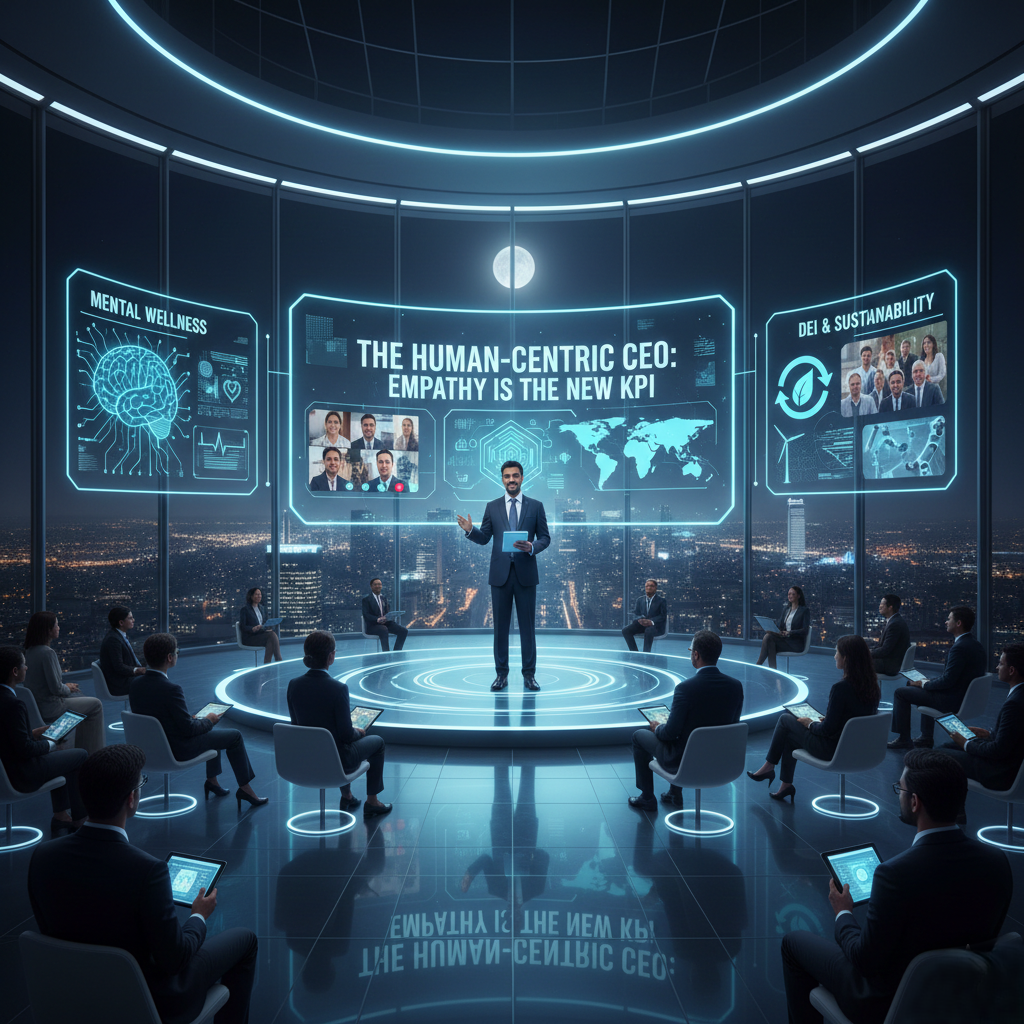
The New Blueprint of Leadership: The Profit to Purpose.
There has been a seismic change in the corporate world. The days when the leader of a company was judged only on the basis of the quarterly earnings call are long gone. The definition of the Golden Standard of the executive excellence in 2026 is determined by a leader who moves through the crossroad of human psychology, fast technological changes, and global accountability.

Preparing for Tomorrow: How to Position Your Organisation as Future-Ready
In an era defined by disruption, uncertainty, and accelerated technological change, future readiness has become a critical differentiator for organisations seeking excellence recognition.
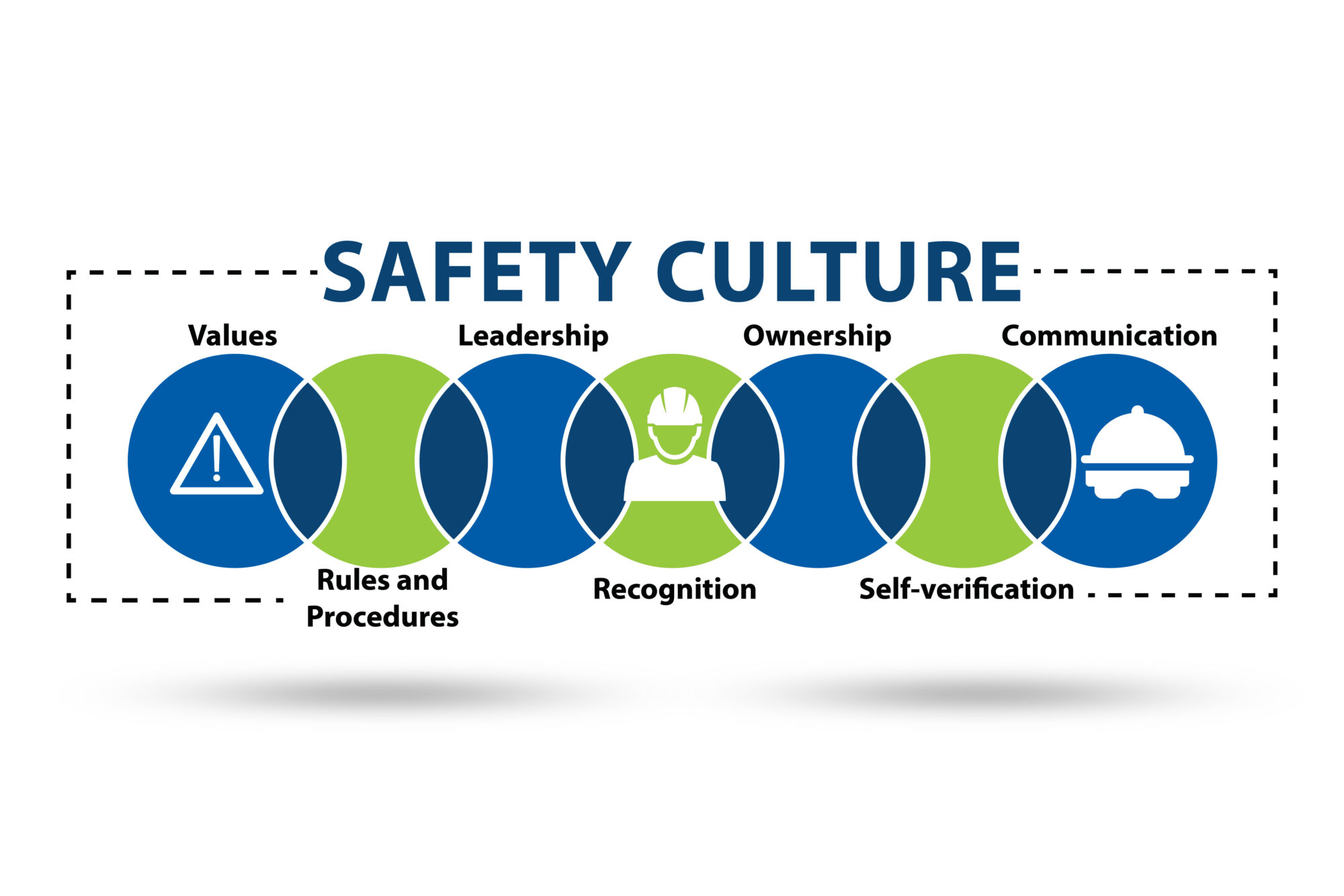
Psychological Safety and Culture as Award-Winning Drivers
In today’s recognition landscape, excellence is no longer measured only by revenue growth, innovation pipelines, or operational efficiency. Increasingly, awards programs and excellence councils are asking a deeper question:

The Future of HR Excellence: People-First, Tech-Empowered Strategies
HR excellence is no longer measured by operational efficiency alone. In today’s organizations, excellence is defined by the ability to place people at the center while intelligently leveraging technology to enhance—not replace—human potential.
.jpg)
Leadership Skills That Win Awards in 2025
In 2025, leadership excellence is being evaluated through a very different lens than even a few years ago. Rapid technological acceleration, hybrid work models, workforce expectations for empathy, and the rise of human–AI collaboration have fundamentally reshaped what “great leadership” looks like.

Customer Experience as a Competitive Differentiator in Awards
Customer experience (CX) has moved from being a support function metric to a boardroom priority—and, increasingly, a decisive factor in industry recognition and awards. In 2025, excellence councils, business awards, and sector-specific recognition programs are placing CX at the center of their evaluation frameworks.
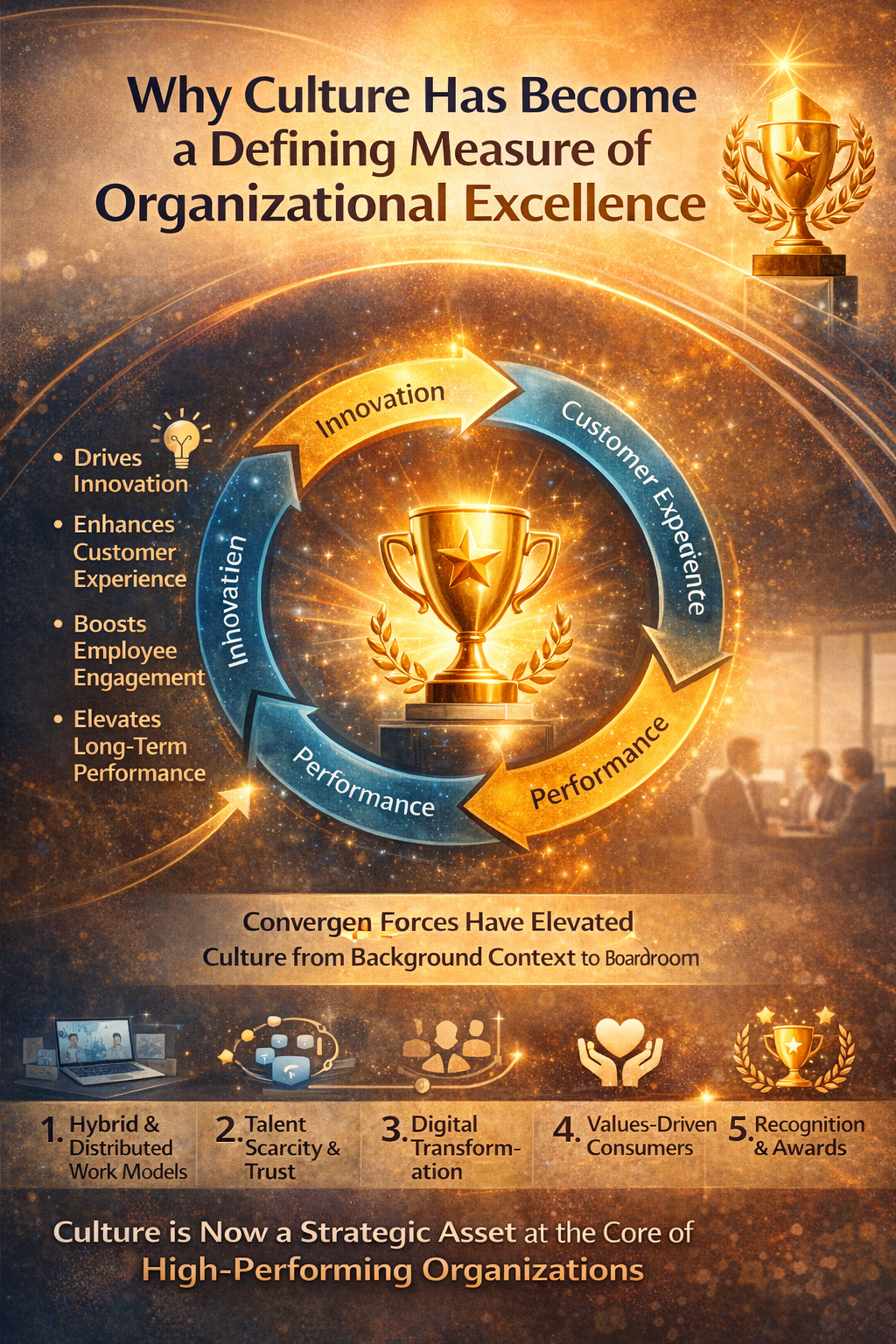
Cultural Excellence: Aligning Values with Organizational Performance
In an increasingly complex and competitive business environment, organizational success is no longer driven solely by strategy, technology, or market position. Today, one factor consistently differentiates high-performing, award-recognized organizations from the rest: culture.
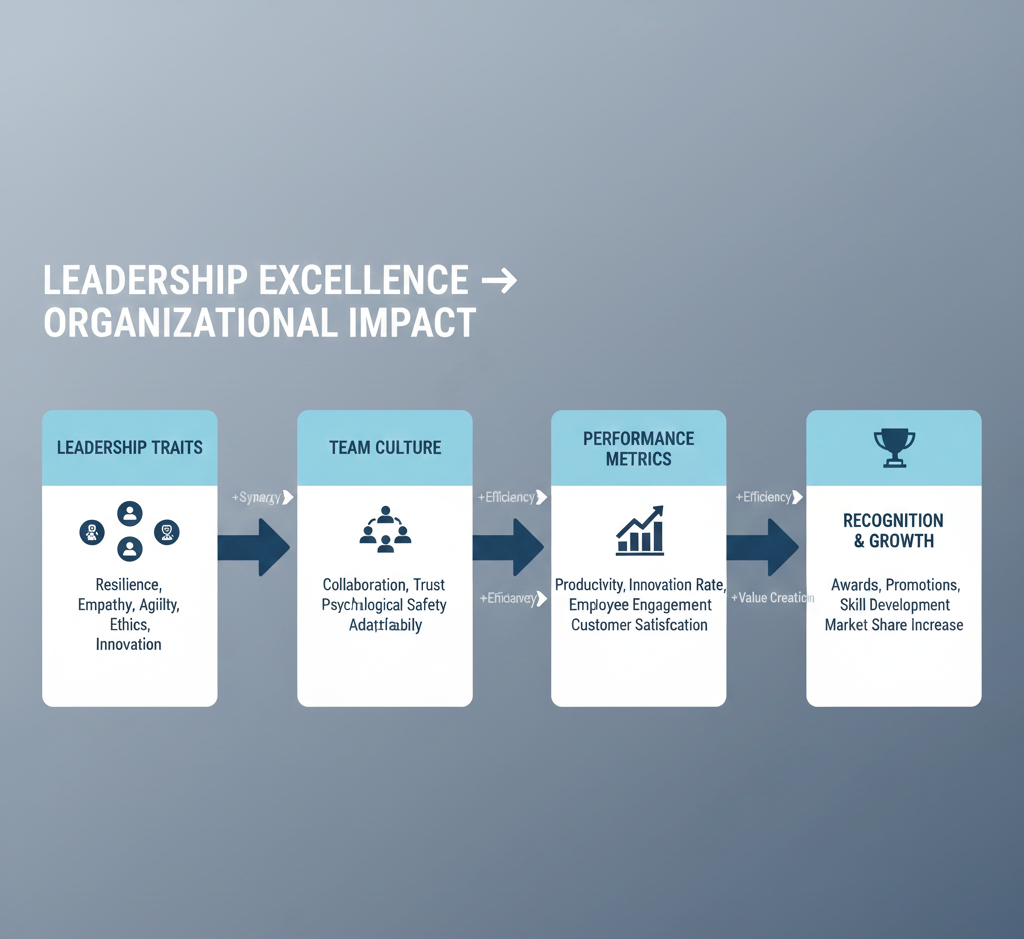
Leadership Excellence in a Post-Pandemic Era: The Traits That Define High-Impact Leaders
The leadership landscape has transformed profoundly since the pandemic. Traditional command-and-control structures have given way to relational, agile, and emotionally intelligent leadership models. Organizations navigating volatility discovered that resilience, adaptability, and strategic empathy are the capabilities that sustain performance through disruption. Excellence platforms and global award programs increasingly recognize these traits when evaluating leadership distinction. This evolution has elevated leadership quality from a management expectation to a strategic differentiator.